Summary of the UK 2021 food report
FSA has released their annual food standards report reviewing food industry trends and changes after the pandemic and the Brexit, here are the impacts on your business:
Since the beginning of COVID-19, in conjunction with the departure from the EU, the UK’s food system was greatly affected in many aspects, including food and feed safety, restaurant compliance and imported food monitoring.
Every country possesses it’s own food safety standards, and has potential food dangers when imported or exported. The summary of the Food Standards Agency (FSA) Report 2021 contains:
The Nation’s Plate
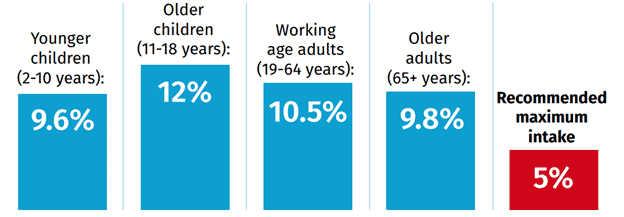
Data shows that over the past ten years, the nation’s nutrient intake stayed consistent, but although the sugar intake decreased overall, consumers eat more than the recommended dosage with about 28% of England adults living with obesity as of 2019. The average weight of adult-age Brits increased with the lack of physical activity and the change in the way adults ate throughout the pandemic – showing an overindulgence in sugar-filled and fatty foods and not enough portions of fibers, fruits, vegetables and fish. But who is responsible for this?
Average consumption of free sugars as a proportion of daily total energy (2020)
Source: Public Health England NDNS: Diet and physical activity – a follow-up study during COVID-19
Average daily saturated fat consumption as a proportion of daily total energy (2020)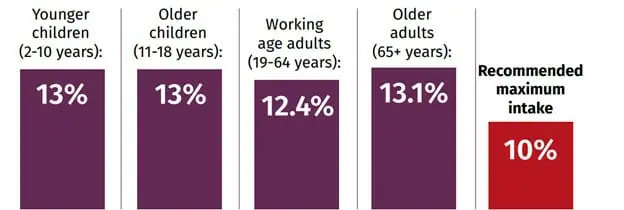
Source: Public Health England NDNS: Diet and physical activity – a follow-up study during COVID-19
According to research from the FSA and FSS’s (The UK Public’s Interests, Needs and Concerns Around Food research), 22% of people in the UK order from takeout and 23% order delivery services at least once a week – mostly coming from young adults or those from higher income households.
The factors found to influence our food choices in recent years according to this data include:
- The price of food: Healthy foods are “priced out” for most people and difficult to keep both wallet and body healthy
- Health concerns: After education over the years, 49% of people interviewed alerted to avoid food with trans fats, palm oil, preservatives, or E numbers
- Eating trends: More people are turning to a “flexitarian” diet to reduce their meat intake
- Ethical concerns: the treatment of animals in the food chain would be a factor of not eating meats; the plastic waste would be another key factor in environmental concern
Impacts from the pandemic on food consumption choices:
- Having healthy eating is tougher to the consumers due to their financial situations
- The pandemic allows more people to cook at home and have healthier options
- Consumers tended to eat more snacks during the lockdown
- More online grocery shopping
Public priorities for the future (research from The FSA and FSS’s The UK Public’s Interests, Needs and Concerns Around Food research) include:
Priority 1: Ensure equitable access to healthy, safe, and affordable foods
- More people intend to purchase healthier foods with an affordable price
Priority 2: Maintain & strengthen food safety and hygiene standards:
- 43% of consumers enforce clearer labelling of food ingredients and allergens is the key priority
Priority 3: Act on additives and processed foods
- People are aware that unhealthy foods contain trans fats, palm oil, preservatives, or E numbers
(Download the full report from the FSA for more priorities, or request demo here for enhancing your business)
Going global:
% of total UK imports sourced from the EU and from other regions, 2017-21
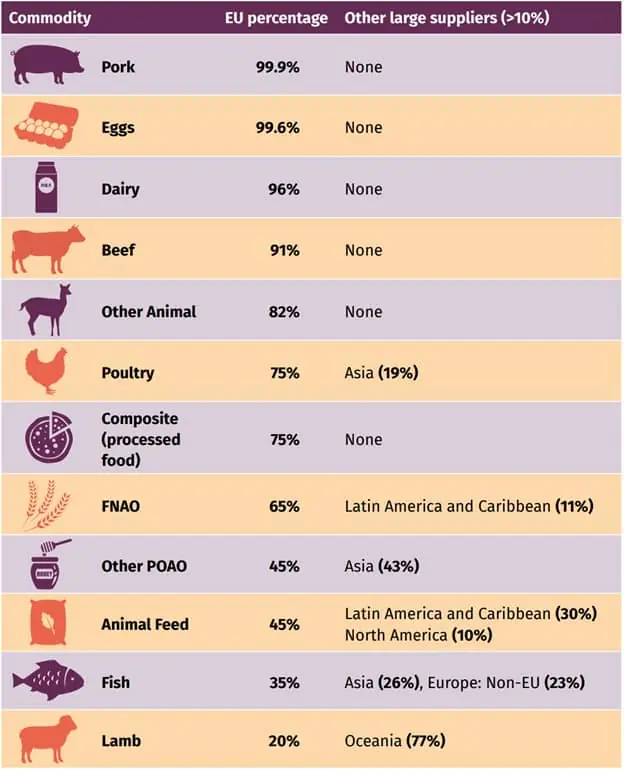
- Around 40 million tons of food are imported from abroad every year; the EU remains by far the biggest supplier, accounting for over 90% of all beef, dairy, eggs, and pork products imported into the UK and nearly two-thirds (65%) of all food and feed not of animal origin
- Despite recent volatility in import patterns, there are no signs of any immediate or wholesale shift in trading flows following the UK’s departure from the EU, though EU imports of fish, lamb and mutton, and pork have all fallen between 2019 and 2021.
- Although there is no evidence that the standards of EU imports have fallen, the FSA and FSS believe the current situation does reduce our ability to prevent foods that do not meet the UK’s high standards from being placed on our market. The lack of import controls means we are not receiving official assurance from the exporting country that imports meet the UK’s high food and feed safety standards; the absence of border checks could also affect how we identify and respond to safety risks in future, with additional resource required by the UK to maintain levels of food safety assurance for these imports
The impact of EU departure on import controls:
- The protocols on Ireland/Northern Ireland took effect on 1 January 2021 and requires Northern Ireland to apply EU import requirements on any products entering the EU regulatory zone from outside the EU
- Not receiving official assurance from the exporting countries that those imports meet the UK’s high food and feed safety standards
To keep rapid alerts available from the latest news from the world, Safefood 360° RISK provides alert system to monitor. Safefood 360° RISK combines both RASFF and World Bank data for the most up to date news and risk alerts and monitor safety alerts worldwide.
Safe and Sound:
- There are 2,363 reported food incidents in the UK in 2021, down from 2019 (2,598) but remains similar number to 2020 (2,261).
- Contamination by harmful micro-organisms was the most frequently reported hazard: 584 cases (browse our technical datasheet to understand how to prevent the harm from the hazards)
- There have been increasing numbers in incidents involving poultry meat in the UK from 2019 – 2021 (83 to 238 cases); especially seen in Salmonella in breaded chicken (download our datasheet about the Salmonella to know the prevention of it)
- Dietetic food incidents have nearly doubled since the previous year (128 cases to 207)
Total number of product recall information notices issued in the UK
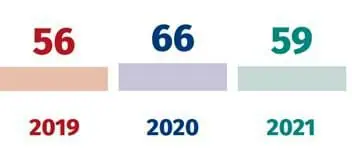
Source: FSA/FSS Incident Management Systems
There are 59 cases of recall in the UK in 2021.
Once the food incident has been identified, the food product may have to be withdrawn or recalled, not only costing food businesses money and reputation, but also directly affects the public’s health.
Most of the incidents can be avoided by the good management procedure (HACCP) and by managing the food process with Safety plan management solution. Request a demo to learn more about how Safefood 360° helps you to reduce the chances of food related incidents.
Informing Consumers
The UK’s departure from the EU prompted a series of actions designed to minimise disruption, including new legislation, changes to compositional standards and origin labelling. A new UK Nutrition and Health Claims Committee (UKNHCC) has also been established to provide expert advice and scrutiny on food marketing claims. Existing arrangements remain in Northern Ireland under the terms of the Protocol on Ireland/Northern Ireland.
The food labelling must contain the information below:
- Name and description
- Ingredients list
- Nutritional information
- Best before or use by date
- Warnings if the food contains additives such as caffeine
- Places of Origin
Food Labels

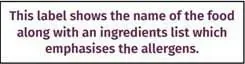
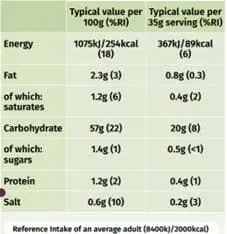
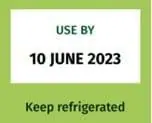
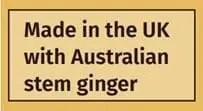
Source: Our Food 2021, FSA report
From a consumer’s point of view, this has had very little noticeable impact to date – the immediate focus has been on maintaining continuity with existing EU laws to minimise any disruption to the supply chain. However, for food business owners, some important foundations for a post-EU approach to food information standards have been put in place:
- Food law changes into British law
- Removing mutual recognition of food composition standards from 1 Oct 2022
- Changes to address and country of origin labelling
What if you have over 500 products in your food business? Our Food Safety Management Solution is designed to improve your business processes within the food industry, allowing you to easily pass audits and maintain compliance with GFSI recognised food safety standards. Browse our Food Safety Management Solution to learn how it helps your business and your supplier chain.
If you are ready to learn more now, request a demo with one of our food safety experts.
Keeping It Clean
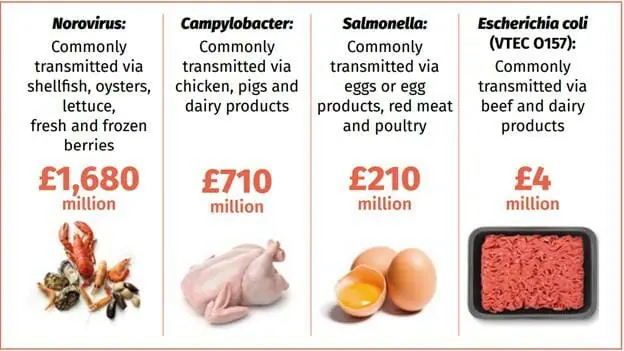
The current level of legal compliance with hygiene standards across food and feed businesses in the UK:
Keeping to monitor the latest legilastion is not easy. Safefood 360° provides an integrated platform for your food safety management and supplier quality management. The software is built by a group of food experts to customise what you really need to secure the assurance and make your aduit become easy. If you have any questions about your current FSMS, SQMS or RISK Assessment systems, submit a demo request for a professional consultation to get your business into next level.


Meet Stam & Ajay – Safefood 360˚ Australia
in blogFirstly, allow me to get the formalities out of the way. It is with immeasurable pleasure that I announce the launch of Safefood 360 Australia – our first overseas office. I would also like to extend a warm welcome to our new team members Stam Levenderis and Dr. Ajay Shah who are now heading up operations down under.
For Safefood 360 this represents an exciting and important development. When we founded the company three years ago we were aware our product would have global appeal given food safety management requirements are similar from one country (and indeed continent) to another. Within weeks of introducing Safefood 360 to the Australian Market, Stam and Ajay have secured customers and significant enquiry from food businesses across the Country.
Those in the Northern hemisphere may not be fully aware of Australia’s significant contribution to the development of food safety management globally. For example the SQF Code had its birth place in Australia before finding its existing home in the USA (Sorry guys but you let that one get away!). Food Standards ANZ has been a first stop resource for quality information including hazard and pathogen data. More recently the work of the Allergen Bureau and their excellent risk assessment tools has made the lives of many food safety specialists easier.
For these reasons we are delighted our first overseas office is in Australia and leading the charge are two individuals who have gained the respect and trust of their peers and food businesses locally. Stam and Ajay’s professionalism, domain knowledge and significant business expertise are an essential element in ensuring the Australian food industry benefits from the Safefood 360 platform and our world class support team.
Dr Ajay Shah has a BSc (Hons) degree in Biology and Chemistry, MSc Food Science degree and a PhD degree in Food Technology, all from the UK. His expertise is in food safety and quality assurance in food process operations, compliance auditing and requirements for food legislation. He is often invited to speak at forums and seminars and frequently lectures at Universities.
Both and Stam and Ajay have collaborated closely over the years on various business and public initiatives and are now bringing their collective experience and knowledge to the development of the Safefood 360 platform.
Finally I am personally looking forward to working with the guys and the many Australian food companies who will be using our software in the months and years to come. Stam and Ajay coupled with the Safefood 360 platform will no doubt make for a compelling solution for many of the food safety management challenges faced daily by food companies.
Safefood 360˚ Customer Story – Santa Monica Seafood
in blogAs we continue our customer stories video series we are delighted to introduce you to Santa Monica Seafood. Santa Monica Seafood is a family-owned and operated company founded in 1939. It is the largest specialty wholesale distributor of fresh and frozen seafood in the south-western United States. They were the first seafood company in the US to be certified under the FSSC22000 food safety standard.
SQF Code Edition 7 Launched
in Product UpdatesThe launch of any new edition of a Global Food Safety Initiative (GFSI) standard is a major event. For those businesses certified under the scheme it means a period of change and revision of their systems in preparation for their next audit. For the team at Safefood 360 it is no different. Once the standard is available we set about the task of identifying all the changes to the scheme and undertaking updates to the software necessary to maintain compliance. Updating the platform in a timely manner is our job and each new version of a GFSI standard is our specification.
The recent issuance of the BRC Global Food Standard gave us a head start. Driven by the new GFSI Guidance Document in January 2011 many of the changes now required under SQF have already been incorporated into our platform. For example, new requirements under allergen management, training and supplier control have been addressed. The benefits of Software as a Service solution for food safety management come into clear focus during the issue of a new standard. The ability to revise the software within a matter of days and weeks is a powerful tool. In addition to our own gap analysis of the new standard we also talk to our users. They are the people at the front line and their collective insight and experience built on their local certification experience feeds our solution and we look forward to building this feedback into Safefood 360.
The SQF have summarized the main changes as follows:
The recent and on-going benchmarking of schemes under the GFSI is also an opportunity for reflection. The question of the exact role of certification and its impact on the safety of our food is a compelling one. I just recently completed correcting this year’s examination scripts for the MSc in Food Safety Management at the Dublin Institute of Technology. These are a competent group of postgraduates to whom I posed the specific question of the effectiveness of certification as a food safety tool. The breadth and depth of views offered by the students was excellent and provided much food for thought. One common theme presented was the role of the auditor in the effectiveness and credibility of the certification process and in particular auditor variation. The GFSI’s and SQF’s new focus on auditor competency would appear to be a pertinent move.
As for the GFSI? Well they have referred recently to a report conducted by the University of Arkansas that showed food suppliers that obtained certification from a GFSI benchmarked program, like SQF improved their capability of producing a safer product for consumers. The improvement was gained from the inherent requirements for best practice food safety programs.
So in many ways the immediate future is clear. Wal-Mart supplier requirements, the FDA Food Safety Modernization Act and GFSI momentum all point to certification as the key tool in the food safety arsenal.